
Choosing the right air conditioning system is essential for maintaining comfort, improving energy efficiency, and keeping running costs under control. Whether you're cooling a home, office, retail space, or industrial building, understanding the different types of air conditioning systems can help you make the best decision.
In this guide, we’ll break down what are the different types of air conditioning systems, how they work, and where they’re best used.
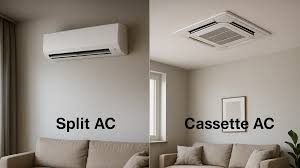
Split systems are one of the most common types of air conditioning used in both residential and small commercial settings.
How They Work
They consist of two main components:
These units are connected by refrigerant pipes.
Best For
Pros
Cons
A multi-split system is similar to a standard split system, but allows multiple indoor units to connect to a single outdoor unit.
How They Work
One outdoor condenser powers several indoor units placed in different rooms.
Best For
Pros
Cons
Ducted systems provide centralised air conditioning and are often used in larger buildings.
How They Work
Air is cooled in a central unit and distributed through ducts hidden in ceilings or walls.
Best For
Pros
Cons
Portable units are standalone systems that can be moved from room to room.
How They Work
They draw in warm air, cool it, and expel heat through a hose (usually out of a window).
Best For
Pros
Cons
Window units are compact systems installed in a window or wall opening.
How They Work
All components are housed in a single unit that sits partially inside and outside the building.
Best For
Pros
Cons
VRF (Variable Refrigerant Flow) or VRV (Variable Refrigerant Volume) systems are advanced solutions typically used in large commercial buildings.
How They Work
They adjust the flow of refrigerant to multiple indoor units based on demand, allowing precise temperature control.
Best For
Pros
Cons
Cassette units are installed into suspended ceilings and distribute air in multiple directions.
How They Work
The unit is recessed into the ceiling, with only the grille visible.
Best For
Pros
Cons
These systems are installed at floor level, similar to a radiator.
How They Work
They blow cool air upwards, helping to distribute it evenly across the room.
Best For
Pros
Cons
When deciding which system is best for you, consider:
For example, a small office might benefit from a split system, while a large commercial building may require a VRF system.
For more examples on different Air Conditioning Systems, Please Click Here
There are many different types of air conditioning systems, each suited to specific needs and environments. From simple portable units to complex commercial systems, the right choice depends on your space, usage, and budget.
Understanding your options ensures you invest in a system that delivers comfort, efficiency, and long-term value.
What is the most energy-efficient air conditioning system?
VRF/VRV systems and modern split systems are among the most energy-efficient options available.
Which system is best for a small office?
A split or multi-split system is usually the most practical and cost-effective choice.
Are ducted systems worth it?
Yes, for larger spaces where aesthetics and even cooling are priorities.
If you're considering installing air conditioning, speaking with a qualified F-Gas professional can help you choose the most suitable system for your needs.
For More Information on Air Conditioning Systems, Please Click Here

Matt Hughes is the Managing Director of Platinum Boiler Installations and his mission is to make boiler installations as simple and hassle-free for customers as possible. What Matt doesn't know about boilers simply isn't worth knowing! Connect with Matt Hughes on LinkedIn >>