
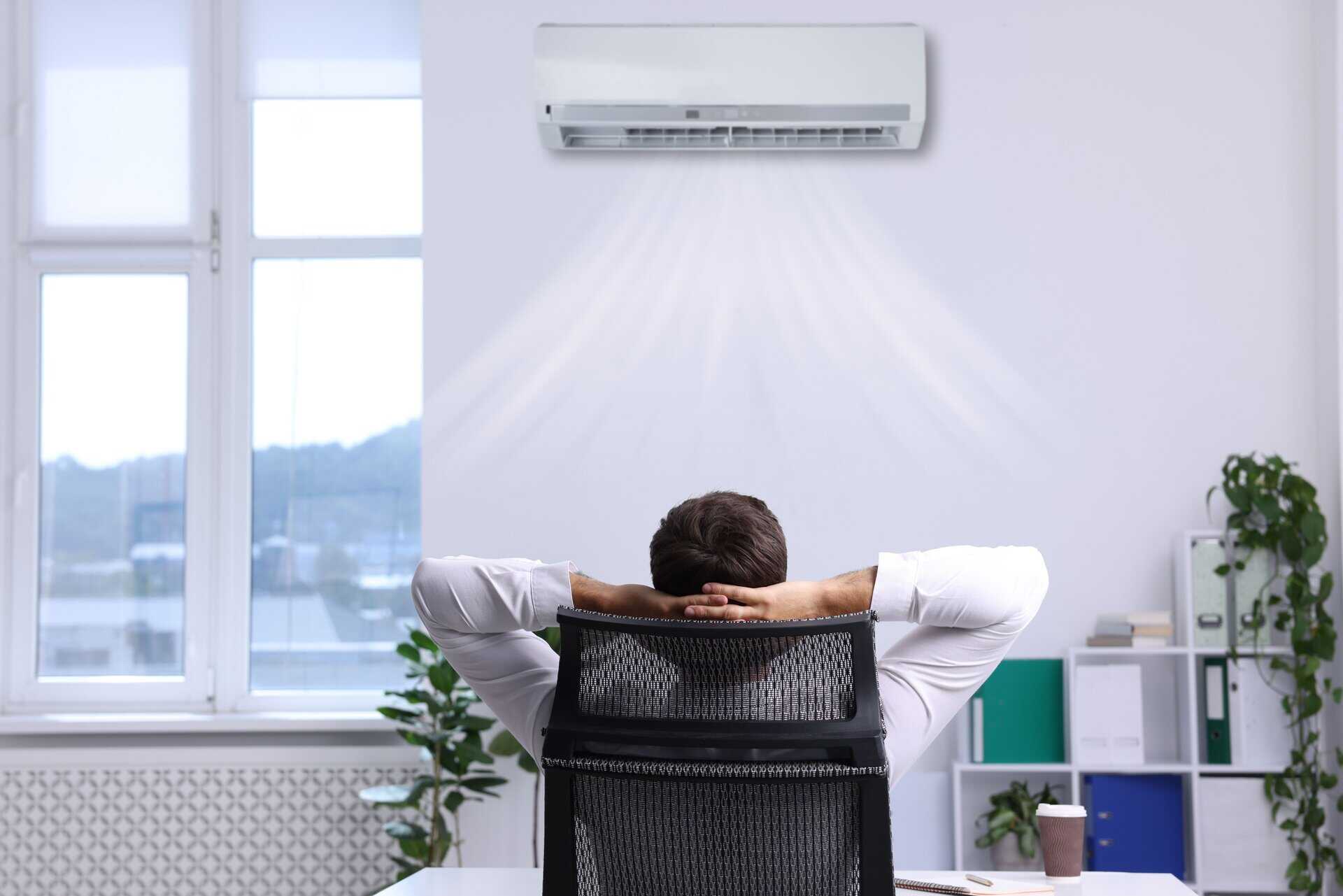
Choosing the right air conditioning system for an office is essential for maintaining a comfortable, productive working environment. Whether you run a small office or manage a large commercial space, the right system can improve employee wellbeing, reduce energy costs, and enhance overall efficiency. In this guide we'll look at what type of air conditioning is best for offices.
A well-cooled office isn’t just about comfort—it directly impacts productivity and health.
Benefits of proper office air conditioning:
Studies have shown that workplaces that are too hot or stuffy can significantly reduce productivity, making air conditioning a smart investment.
1. Split Air Conditioning Systems (Best for Small Offices)
Split systems are one of the most popular options for small to medium-sized offices.
How they work:
Benefits:
Best for: Small offices, meeting rooms, and individual workspaces
2. Multi-Split Systems (Best for Multiple Rooms)
A multi-split system connects several indoor units to a single outdoor unit.
Benefits:
Best for: Offices with multiple rooms or departments
3. VRF/VRV Systems (Best for Large Offices)
Variable Refrigerant Flow (VRF) or Variable Refrigerant Volume (VRV) systems are advanced solutions used in larger commercial buildings.
Benefits:
Best for: Large offices, office blocks, and commercial buildings
4. Cassette Air Conditioning Units (Best for Open-Plan Offices)
Cassette units are installed in the ceiling and distribute air evenly in all directions.
Benefits:
Best for: Open-plan offices and suspended ceilings
5. Ducted Air Conditioning Systems (Best for a Clean, Hidden Look)
Ducted systems are hidden within ceilings or walls, with air distributed through vents.
Benefits:
Best for: High-end offices and spaces where aesthetics matter
6. Portable Air Conditioners (Short-Term Solution)
Portable units can be used in offices but are generally not ideal for long-term use.
Pros:
Cons:
Best for: Temporary cooling or small, short-term setups
1. Office Size & Layout
2. Number of Employees
More people = more heat generated
3. Equipment & Heat Load
Computers, servers, and lighting all add to cooling requirements
4. Energy Efficiency
Look for high-efficiency systems to reduce running costs
5. Noise Levels
Quiet systems are essential for maintaining productivity
6. Installation & Maintenance
Consider ease of installation and ongoing servicing
Typical costs vary depending on system size and complexity:
Getting multiple quotes from professional installers is the best way to get an accurate price.
So, what type of air conditioning is best for offices?
The best choice depends on your space, budget, and long-term needs. Investing in the right system will improve comfort, productivity, and energy efficiency across your workplace.
If you're planning to install air conditioning in your office, it’s always best to consult with a professional. A qualified installer can assess your space and recommend the most suitable system for your needs.
A well-designed office climate system isn’t just a luxury—it’s a smart business decision.


Matt Hughes is the Managing Director of Platinum Boiler Installations and his mission is to make boiler installations as simple and hassle-free for customers as possible. What Matt doesn't know about boilers simply isn't worth knowing! Connect with Matt Hughes on LinkedIn >>