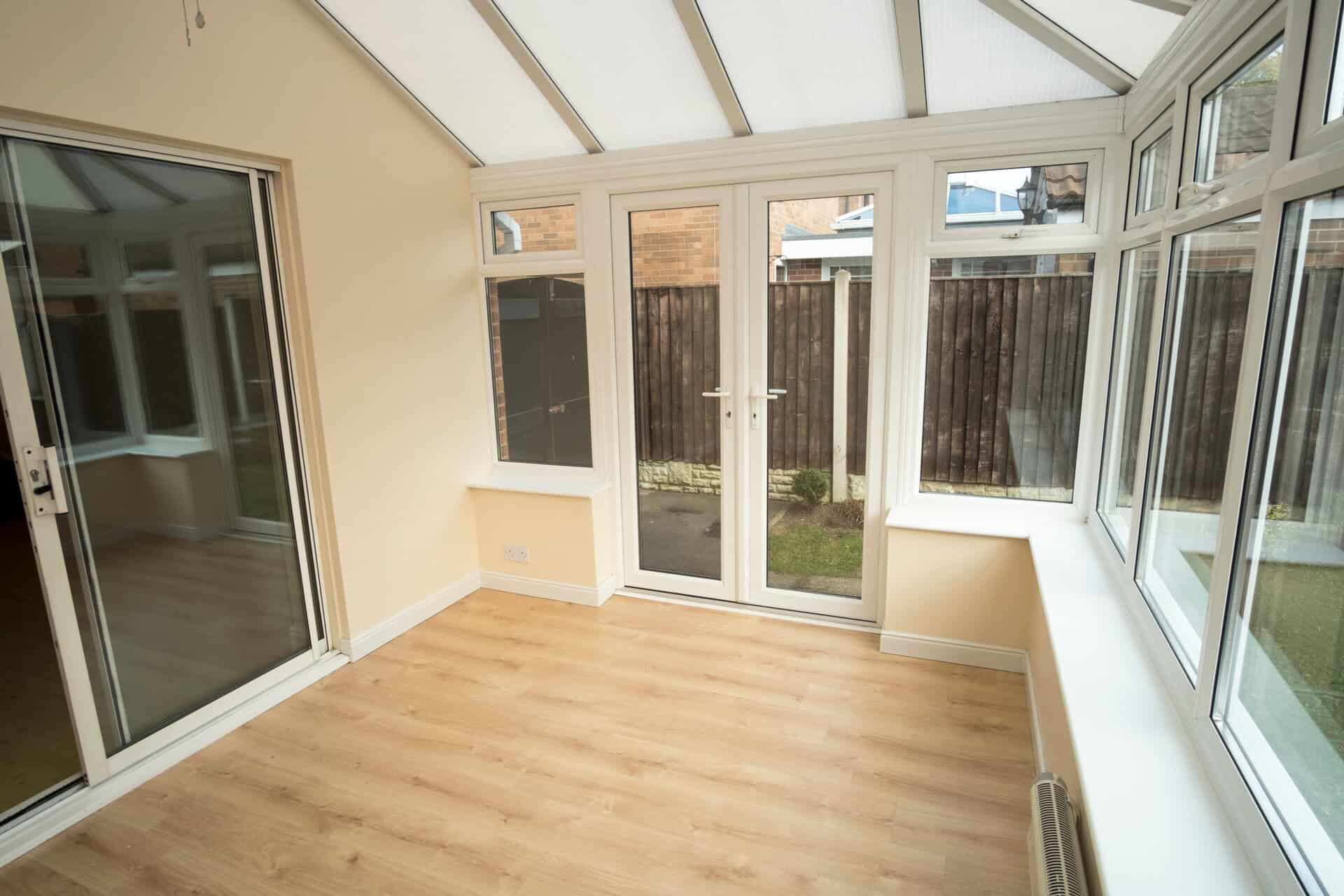
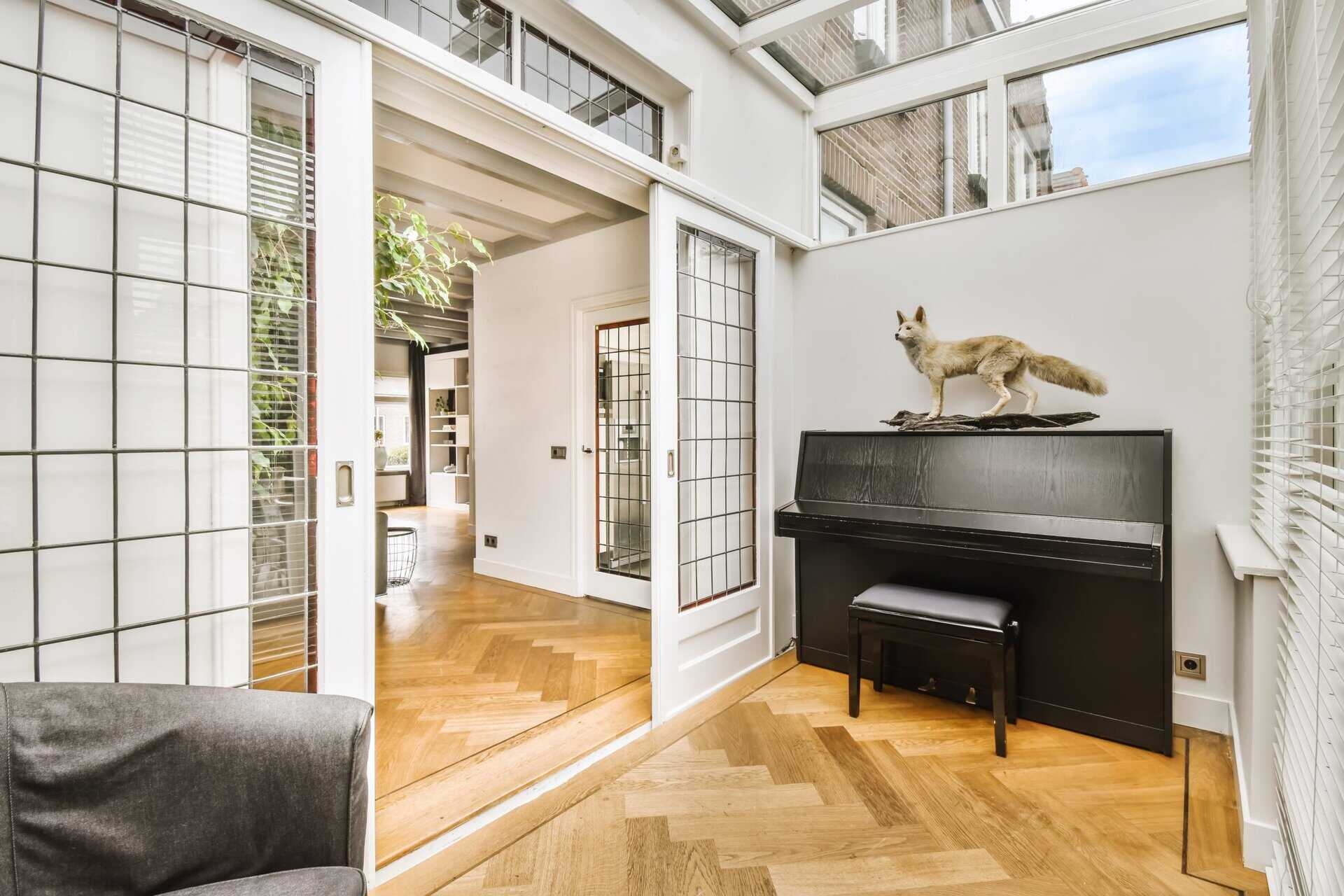
Conservatories are a beautiful addition to any home, offering a bright, relaxing space filled with natural light. However, they’re also known for one major drawback—extreme temperatures. In summer, they can become unbearably hot, while in winter they often feel too cold to use. This leads many homeowners to ask: Can you put air conditioning in a conservatory?
The answer is yes—and in many cases, it’s one of the best solutions available. In this guide, we’ll explore how it works, the best systems to use, and what you need to consider before installing air conditioning in your conservatory.
Before choosing a solution, it helps to understand the problem.
Conservatories are typically built with large glass panels and minimal insulation. This creates a greenhouse effect, where heat enters easily but struggles to escape.
Common issues include:
This is why many people look for air conditioning for conservatories as a long-term fix.
Yes, you can install air conditioning in a conservatory—and it’s becoming increasingly popular in the UK.
However, it’s important to choose the right type of system and ensure it’s correctly sized for the space. Conservatories have unique requirements due to their glass structure, so a standard approach may not always work.
1. Ductless Mini-Split Air Conditioning (Best Overall)
Ductless mini-split systems are widely considered the best air conditioning option for conservatories.
Why they work well:
They are ideal for year-round use, helping keep your conservatory comfortable in both summer and winter.
2. Portable Air Conditioners (Best for Small Conservatories)
Portable air conditioners can be a practical solution if you want something quick and affordable.
Pros:
Cons:
They’re best suited for smaller conservatories or occasional use.
3. Wall-Mounted Air Conditioning Units
Wall-mounted systems (often part of split systems) are another effective option.
Benefits:
These are a good middle ground between portability and performance.

Correct BTU Size
Conservatories require more cooling power than standard rooms due to heat gain from glass.
You may need 20–30% more BTU capacity than a typical room of the same size.
Insulation and Glazing
Improving insulation (e.g., blinds, tinted glass, or roof upgrades) can make your AC unit far more effective.
Ventilation
Proper airflow helps your system run efficiently and prevents heat buildup.
Professional Installation
For permanent systems like mini-splits, professional installation ensures optimal performance and energy efficiency.
Some homeowners consider alternatives like:
While these can help slightly, they don’t actively cool the air. Air conditioning remains the most effective way to control temperature in a conservatory.
Installing air conditioning can transform your conservatory into a usable space all year round.
Key benefits:
So, can you put air conditioning in a conservatory?
Absolutely—and it’s one of the best ways to make the space truly usable.
For most homeowners, a ductless mini-split system offers the best combination of performance, efficiency, and comfort. However, portable units can work well for smaller spaces or short-term needs.
By choosing the right system and ensuring proper installation, you can enjoy your conservatory no matter the season.
Do you need planning permission to install air conditioning in a conservatory?
In most UK cases, you don’t need planning permission, but it’s best to check local regulations—especially for external units.
What size air conditioner do I need for a conservatory?
You’ll typically need a higher BTU rating than a standard room—often 20–30% more due to heat from glass.
Can a portable air conditioner cool a conservatory?
Yes, but it’s usually only effective for smaller conservatories or temporary use.

Matt Hughes is the Managing Director of Platinum Boiler Installations and his mission is to make boiler installations as simple and hassle-free for customers as possible. What Matt doesn't know about boilers simply isn't worth knowing! Connect with Matt Hughes on LinkedIn >>